
Last Updated on April 14, 2026 by Ginny Kochis
If you’ve got a kid who loves science, you need to get her reading – right now. Contrary to popular belief, reading and the sciences have a great deal in common. What’s more, reading skills are integral to fostering scientific thinking.
This post was sponsored by BookShark. I’m a BookShark Ambassador because I love their curriculum materials. Please see my disclosure policy for details.
When you hear the word “scientist,” you probably don’t immediately think of reading.
A lab coat? Definitely.
Microscope? Sure.
Test tubes, glasses, safety goggles, and a computer? Absolutely.
Shelf upon shelf of entertaining reading material? Eh – probably not.
In our social collective consciousness, books and reading tend to fall on the other end of the spectrum with literature, history, and art. But in truth, reading is much more integral to the sciences than most people realize.
Teaching our children about the connection between science and reading is a great way to shift prevailing thought.

Reading, Research, and the Scientist
Without the ability to read and research, scientific discoveries would cease. While most of us assume a scientist’s day is filled with testing and observation, it actually involves a great deal more than that.
Reputable scientists spend much of their time reading through the work of their contemporaries and of those who came before them. Typically, they devote days, weeks, and sometimes months to discovering what others have said about their particular or related topic, seeking to challenge, improve, or advance on those findings.
Einstein, for instance, built on the theories of Albert A Michelson – a late 19th-century physics professor at the Naval Academy who, at the age of 26, set out to definitively measure the speed of light. Michelson’s research, experimentation, and findings laid the groundwork for Einstein. He studied Michelson’s work and applied it to his own research, eventually landing upon the theory of relativity.
Reading, then, is an integral skill for any budding scientist and a necessary component of any science curriculum. Cultivating a love of science through books and literature helps children connect research to practical application.

Reading and the Scientific Method
Reading is not a passive activity. When we read, our brains engage in a number of processes designed to help us:
- Connect the content to our own experiences and knowledge
- Visualize the information or ideas we are gathering as we read
- Predict what might happen further along in our reading
- Question any topics we might not understand
- Evaluate the validity of the claims made in the reading
- Synthesize the information into something we can use
We are also learning the intricacies of cause and effect relationships and building background information we can apply to other things.
This is not unlike the Scientific Method – the gold standard for hypothesizing, testing, and reporting one’s results. The problem is that most of us don’t operate in the realm of metacognition: we don’t think about the thinking we’re doing while it’s going on.
Reading – especially of scientific texts – helps remedy this dilemma. How?
The critical thinking processes cultivated by frequent reading help train our brains to think like scientists. The more we read, the better our brains become at seeking, testing, observing, and concluding. Reading, therefore, becomes a valuable skill in the scientific world.

Reading and Textual Awareness
While any type of reading is certainly beneficial to building critical thinking skills, reading nonfiction is particularly valuable to the field of science: exposing our children to a variety of texts sharpens their organization and analytical skills.
Nonfiction texts have a number of distinct characteristics you won’t find in a fiction book. From the Table of Contents at the beginning to the glossary and index at the end, nonfiction relies on a number of techniques that help the reader organize, absorb, and evaluate information.
Why would this matter to a scientist? Because most likely, their findings will be published in a nonfiction work. Learning to recognize and interpret information in a sidebar, a chart, or a graphic builds the critical thinking skills necessary to create something similar in their published findings.
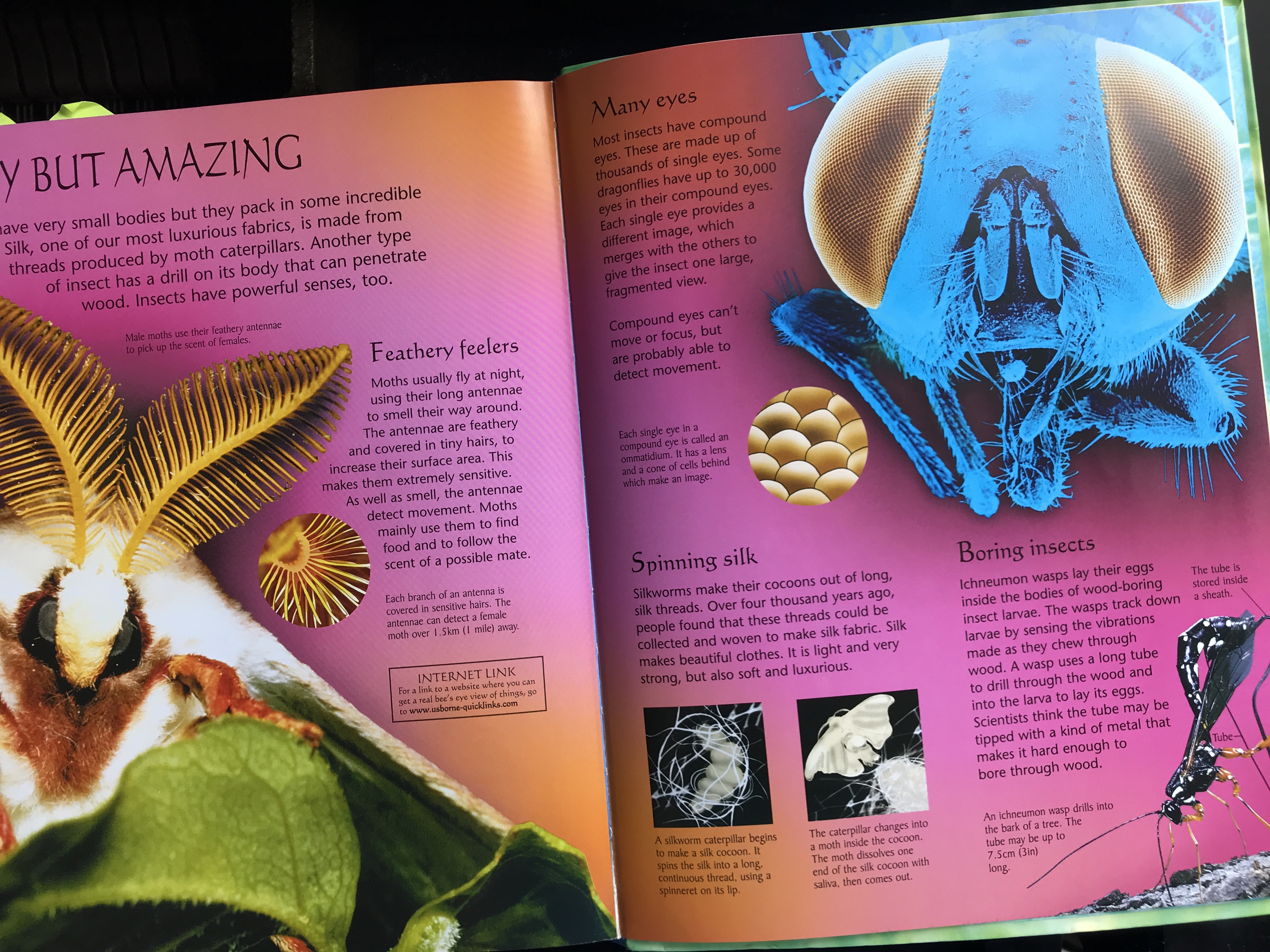


It’s true you may not immediately think of books or literature when the word “scientist” pops up. But if we continue to share with our children the relationship between reading and the sciences, perhaps that bias will peter out.
[rad_rapidology_inline optin_id=”optin_1″]
Enjoy this post? Read on:
5 Reasons I Love BookShark: the Perfect Literature-Based Science Curriculum for Gifted Kids
Cool Catholic Women – In STEM!
Homeschooling the Differently Wired: 4 Benefits for Children with OCD